
The Illusion of Easy Money
One of the most prevalent myths surrounding casino gambling is the belief that it’s an easy way to make money. Many newcomers are often lured by the allure of massive jackpots and glamorous lifestyles depicted in movies and advertisements. The reality is much different; while some may win big, the vast majority of players will end up losing money over time. Casinos are designed with a built-in advantage known as the house edge, ensuring that, in the long run, they will always profit. Additionally, players exploring options like online pokies payid should be cautious, as this fundamental principle of casino operations dispels the notion of gambling as a reliable income source.
Moreover, many players chase their losses, believing that winning is just around the corner. This dangerous mindset can lead to significant financial distress as individuals bet more than they can afford, hoping to recoup their losses. It’s essential to recognize that gambling should be viewed as entertainment rather than a money-making venture. Emphasizing responsible gaming practices is crucial to ensure that individuals play within their means, enjoy the experience, and avoid the pitfalls of the gambling myth of easy riches.
Another factor that perpetuates this myth is the myriad of “strategies” circulated among gambling enthusiasts. These strategies often claim to leverage luck or manipulate odds to secure wins, but most are based on misconceptions about how games work. For example, some players believe that they can predict outcomes based on previous results in games like roulette. However, each spin or hand is independent, and past results have no bearing on future outcomes. This misunderstanding not only leads to financial losses but also fosters unrealistic expectations among players.
The Myth of Luck Being the Only Factor
Another common misconception is that winning at casino games is solely dependent on luck, with no room for skill or strategy. While luck certainly plays a role, particularly in games like slots, many other games involve elements of skill and decision-making. For instance, in poker and blackjack, players can significantly influence their chances of winning through strategy, bluffing, and understanding the odds. Skilled players in these games consistently outperform those who rely solely on luck, highlighting the importance of knowledge and skill.
In addition, the gaming landscape is evolving, with many players utilizing technology and data analysis to enhance their skills. Professional poker players, for example, often study their opponents and analyze historical data to make informed decisions during play. This blend of strategy and skill not only contributes to their success at the tables but also emphasizes that gambling is not merely a game of chance. Becoming a more knowledgeable player can significantly tilt the odds in one’s favor, countering the myth that luck is the only determining factor in gambling.
Ultimately, understanding the balance between luck and skill can lead to a more enriching gambling experience. Players who take the time to learn game mechanics, strategies, and odds are likely to enjoy their time more and see better results. This realization can help combat the misconceptions surrounding gambling and encourage more responsible and informed participation in casino activities.
The Gambler’s Fallacy
The Gambler’s Fallacy is a pervasive myth in which individuals believe that past events influence future outcomes in random games. For instance, if a slot machine has not paid out for a while, players may think it is “due” to win soon. This line of reasoning is not only flawed but also detrimental to players’ decision-making processes. Casino games, by their nature, rely on random number generators and do not adhere to predictable patterns, making each event independent of the previous ones.
This fallacy often leads players to engage in riskier behaviors, such as placing larger bets based on their belief in an impending win. Such impulsive decisions can result in significant financial losses and may perpetuate a cycle of chasing after losses. Understanding the randomness of casino games is essential for fostering a healthier gambling mindset where individuals do not let previous results influence their future bets, thus mitigating the psychological pitfalls associated with the Gambler’s Fallacy.
Furthermore, addressing the Gambler’s Fallacy requires education and awareness within the gambling community. Casinos and gaming regulatory bodies can play an essential role in promoting responsible gambling practices through informative campaigns that clarify these misconceptions. By highlighting the importance of informed betting based on statistics rather than emotions or beliefs, players can engage in more responsible and enjoyable gambling experiences.
The Role of Casinos in Gambling Myths
Many people believe that casinos intentionally foster gambling myths to profit from unsuspecting players. While it’s true that casinos have vast resources dedicated to marketing and promotions, it’s essential to understand that their primary goal is to provide entertainment. In fact, most reputable casinos promote responsible gaming practices and support initiatives that educate players about the risks involved in gambling. Some casinos even provide self-exclusion programs and resources to help individuals struggling with gambling addiction.

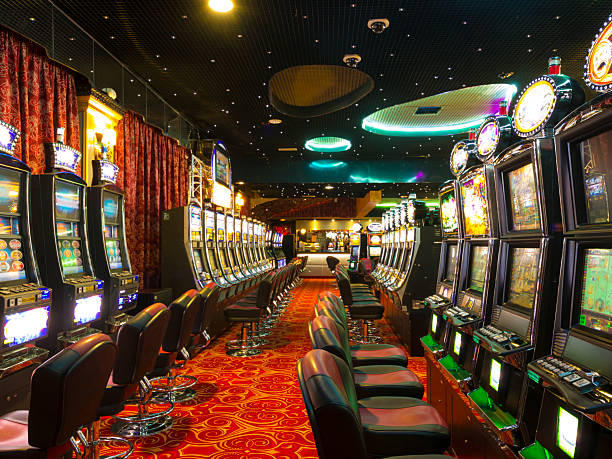
The atmosphere and design of a casino may contribute to misconceptions. Bright lights, engaging sounds, and free beverages create an enchanting environment that can lead players to overestimate their chances of winning. While these elements enhance the entertainment value of the casino experience, they can also blur the lines between reality and the idealized versions of gambling presented in popular culture. In this sense, casinos are not the creators of myths but rather participants in a broader cultural narrative around gambling.
To combat these myths, casinos are increasingly investing in educational resources and public awareness campaigns that aim to inform players about the realities of gambling. These initiatives underscore the importance of setting limits, understanding odds, and recognizing the signs of problematic gambling behavior. By promoting a more informed player base, casinos can contribute positively to the gambling community while dispelling the myths that can lead to harmful behaviors.
Understanding Casino Resources for Players
At any given casino, players have access to a wealth of resources designed to enhance their gambling experience while promoting responsible gaming. Many casinos offer informational materials that explain game rules, odds, and the importance of setting a budget. These resources are intended to educate players and help them make informed choices about their gaming activities. By utilizing these tools, players can significantly improve their understanding of various games, leading to more enjoyable experiences.
Additionally, many casinos provide access to professionals who can assist players in understanding the intricacies of different games. Whether through formal lessons or informal interactions with staff, players have opportunities to ask questions and gain insights that can enhance their gameplay. This focus on education reflects a growing trend in the casino industry to prioritize player knowledge and safety over mere profit.
Ultimately, players should take advantage of the resources available to them, both at physical casinos and through online platforms. Websites dedicated to gaming education offer tutorials, tips, and strategies to help gamblers develop their skills and knowledge. By engaging with these materials, players can better navigate the realities of gambling, contributing to a more informed and responsible gaming environment.